

Safety of railway transportation
Safety in railway transportation is one of the key factors in the efficient and smooth functioning of the entire transportation system. Railroads transport millions of passengers and huge volumes of cargo, so any defects in the infrastructure can lead to accidents, delays and significant economic losses.
The role of ultrasonic rail inspection in safety:
- Early detection of defects
Ultrasonic inspection makes it possible to detect internal and surface defects of rails, such as cracks, delaminations, corrosion and other damage that is not visible during visual inspection. This makes it possible to repair or replace damaged sections in a timely manner. - Preventing accidents and disasters
By detecting hidden defects at an early stage, ultrasonic inspection significantly reduces the risk of rail failure during operation, preventing train derailments and other serious accidents. - Increasing track reliability and durability
Regular inspection and monitoring of rail condition keeps infrastructure in optimal condition, extending rail life and reducing overhaul costs. - Automate and improve inspection efficiency
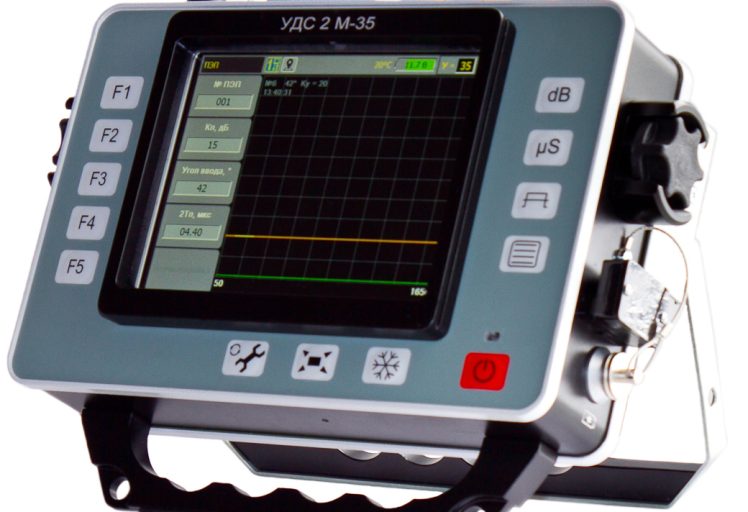
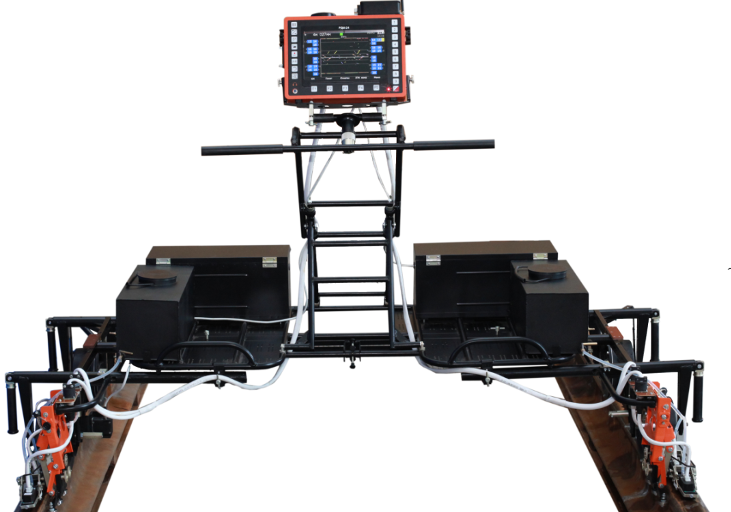
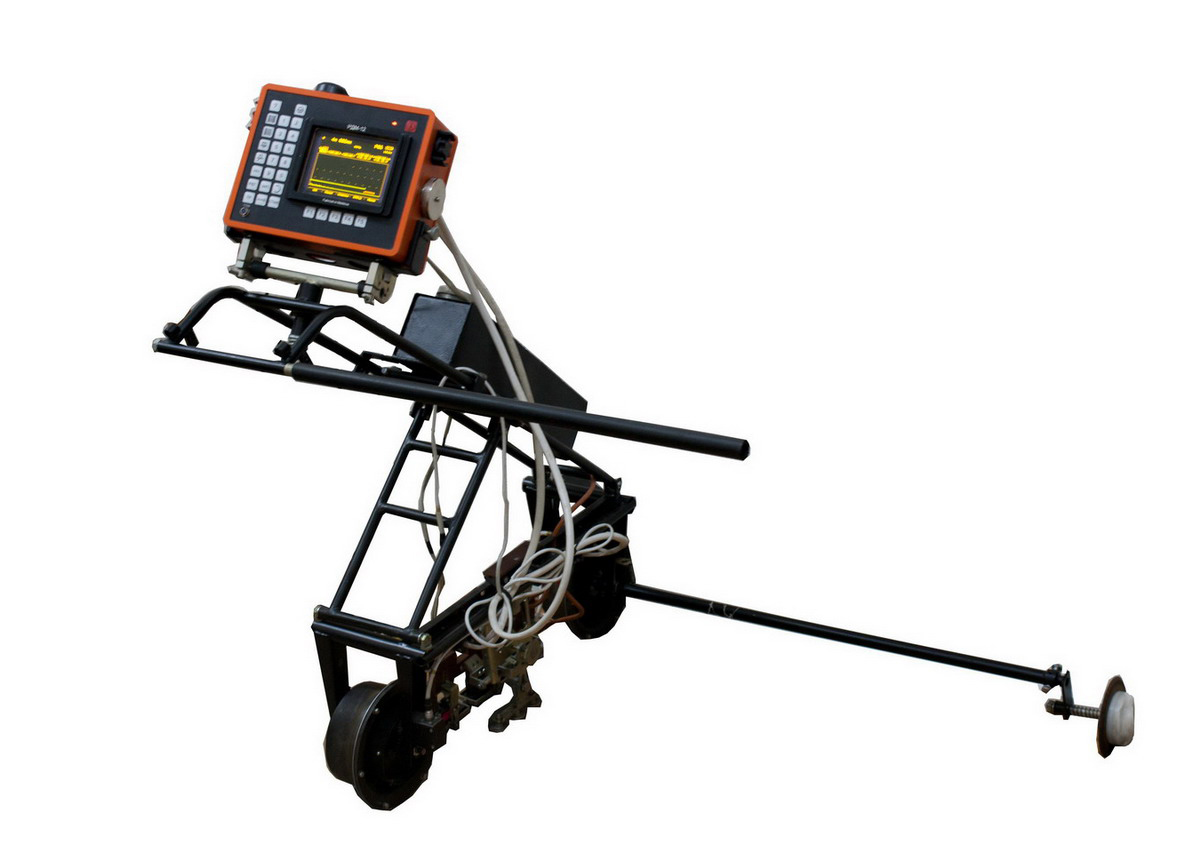
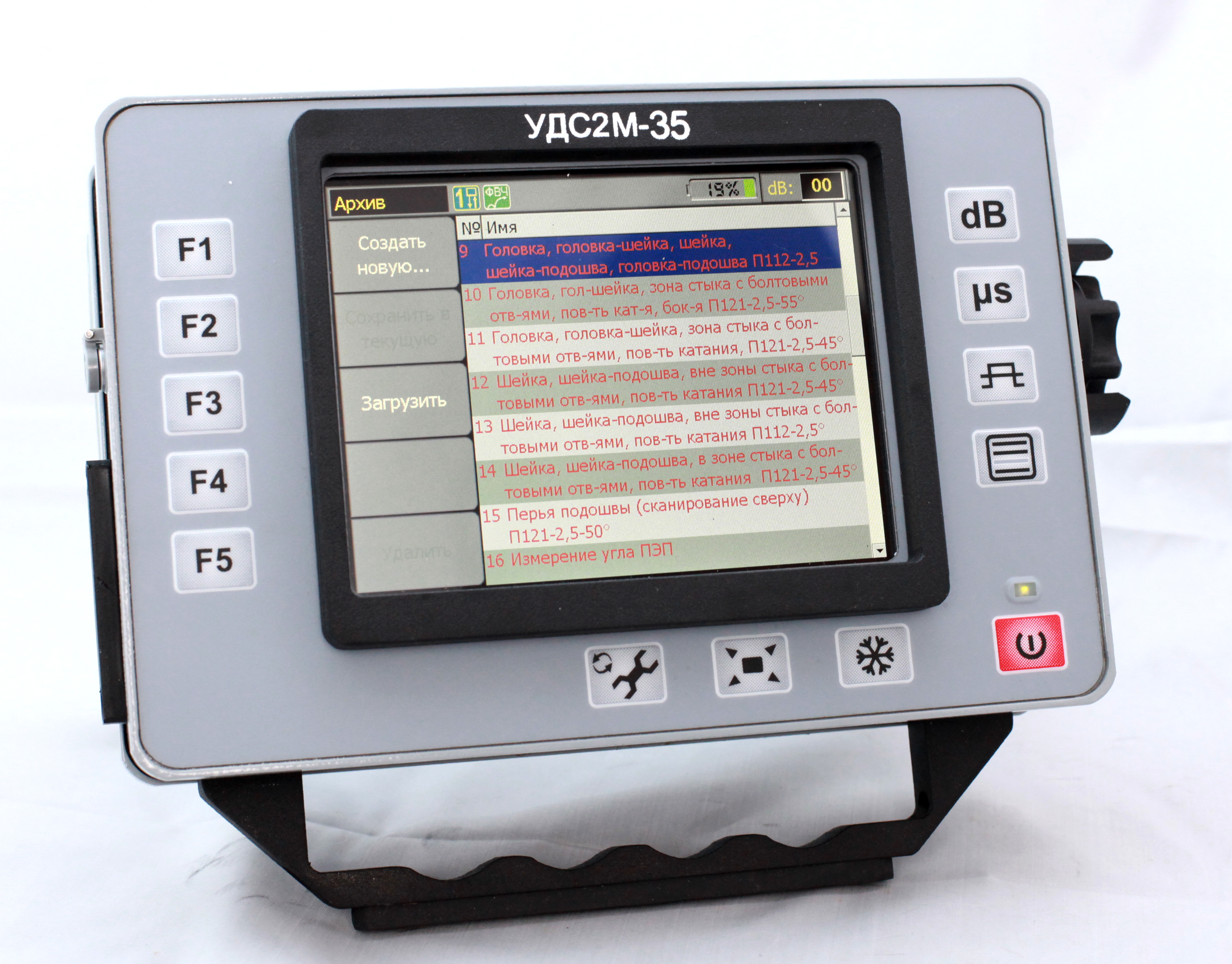
Modern ultrasonic flaw detectors with automated and detailed data analysis speed up the inspection process and reduce human error, providing more accurate and objective results. - Compliance with regulations and safety standards
The use of ultrasonic inspection helps railroad companies comply with national and international standards for track safety and technical condition.